How to calculate hours worked
Clock hours are not decimals: 7:45 is 7.75 hours, not 7.45, because the minutes are divided by 60. The safest method is to turn each shift into minutes, add up the minutes for the whole week and convert once at the end. From 9:00 to 16:45 is 465 minutes, which is 7.75 hours; at 12.50 an hour, that is $96.88.
If you write your hours down in a notebook and then multiply them by your rate, there is a mistake in there that is costing you money every month. In three minutes I will show you how to add up your shifts and convert them properly, which is where nearly everybody slips.
The problem
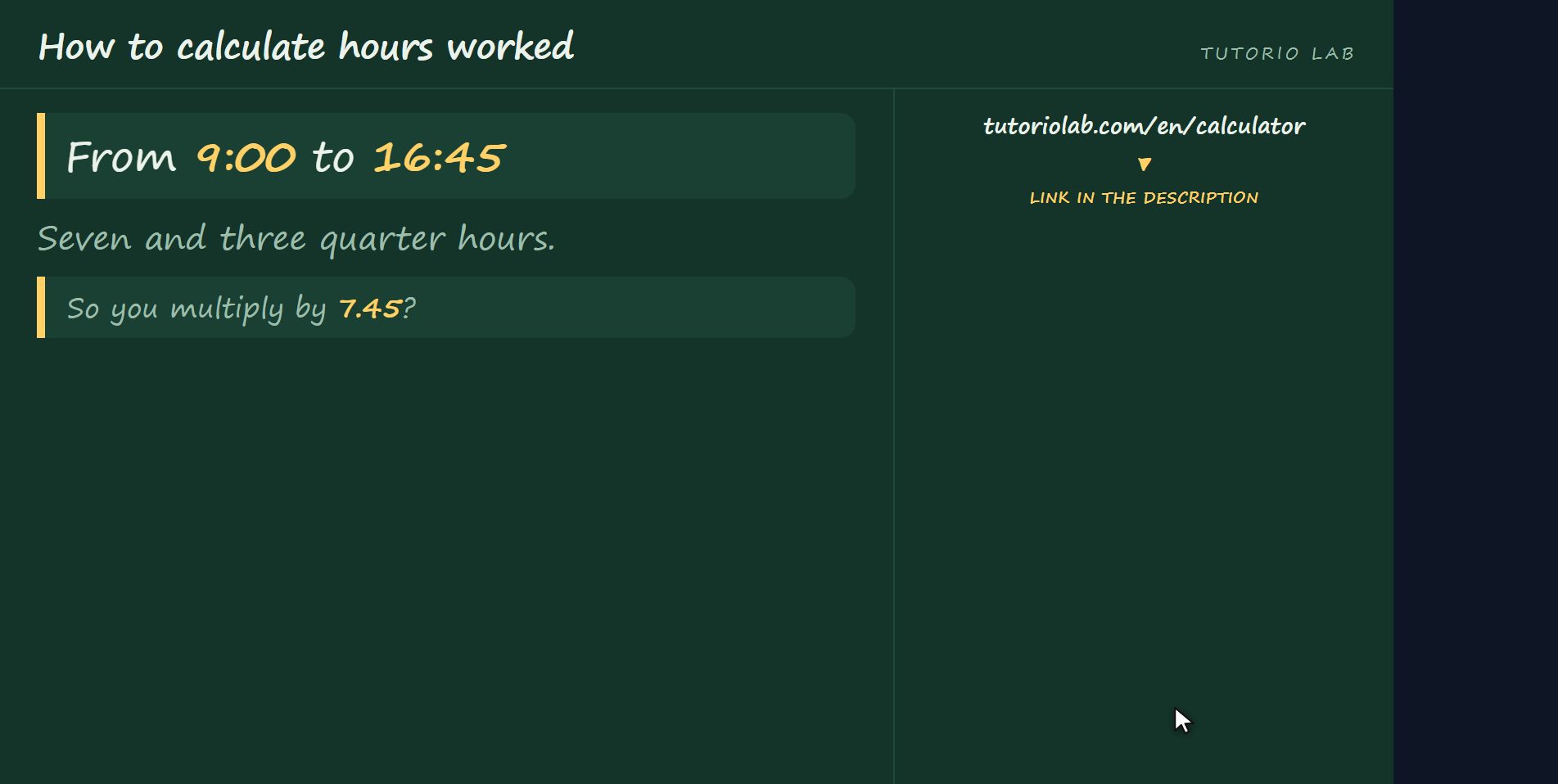
Let us start with the mistake. You work from nine in the morning to a quarter to five: from nine to sixteen forty-five. That is seven and three quarter hours. And a lot of people take that seven forty-five and multiply it by their hourly rate. That is the slip.
The clock is not decimal
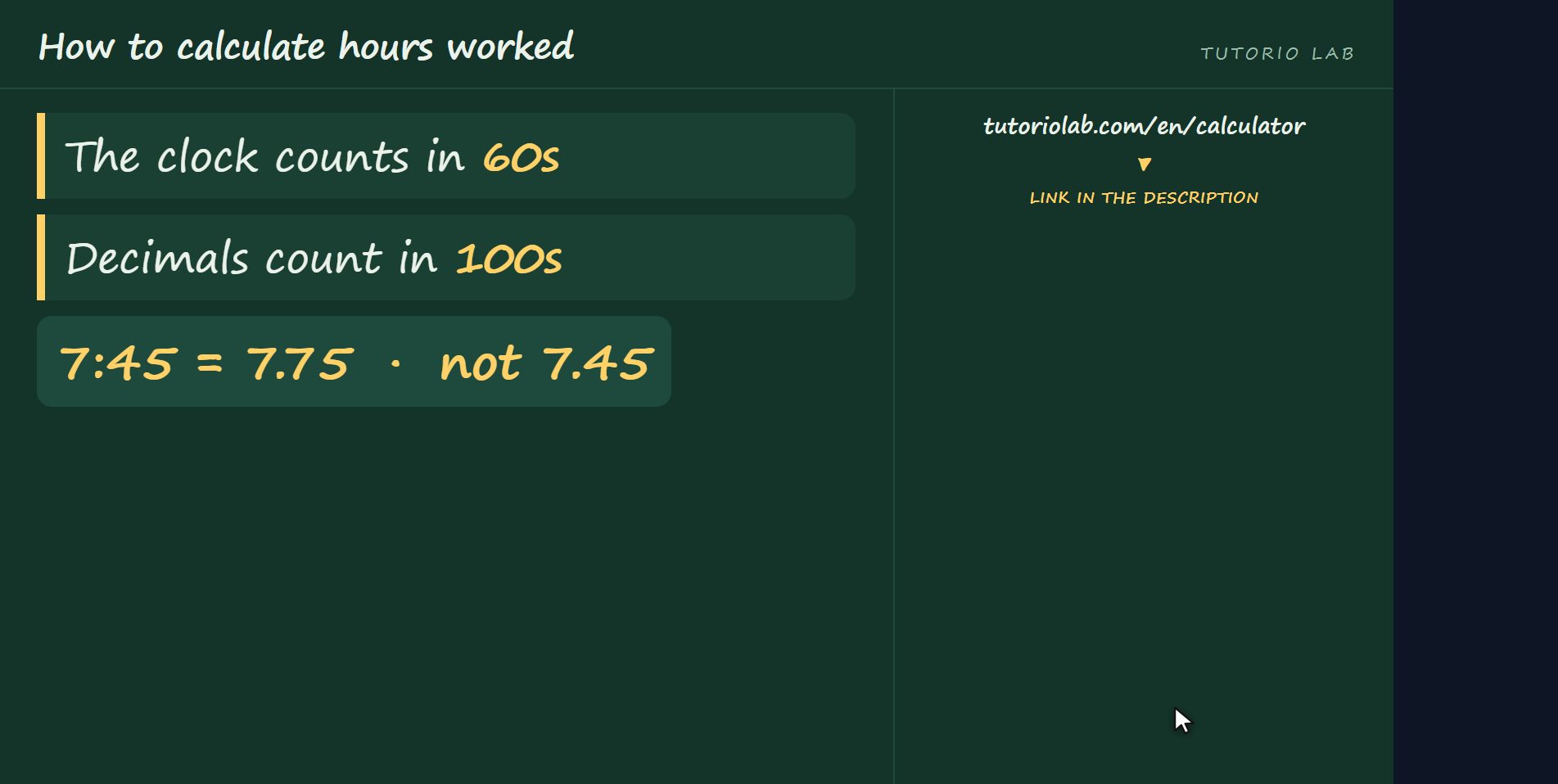
Because seven forty-five on the clock is not seven point four five in decimal. The clock counts in sixties and decimals count in hundreds. Three quarters of an hour is forty-five minutes, and forty-five minutes is nought point seven five of an hour. So it is seven point seven five, not seven point four five. Three tenths of an hour of difference in every single shift.
Minutes over 60
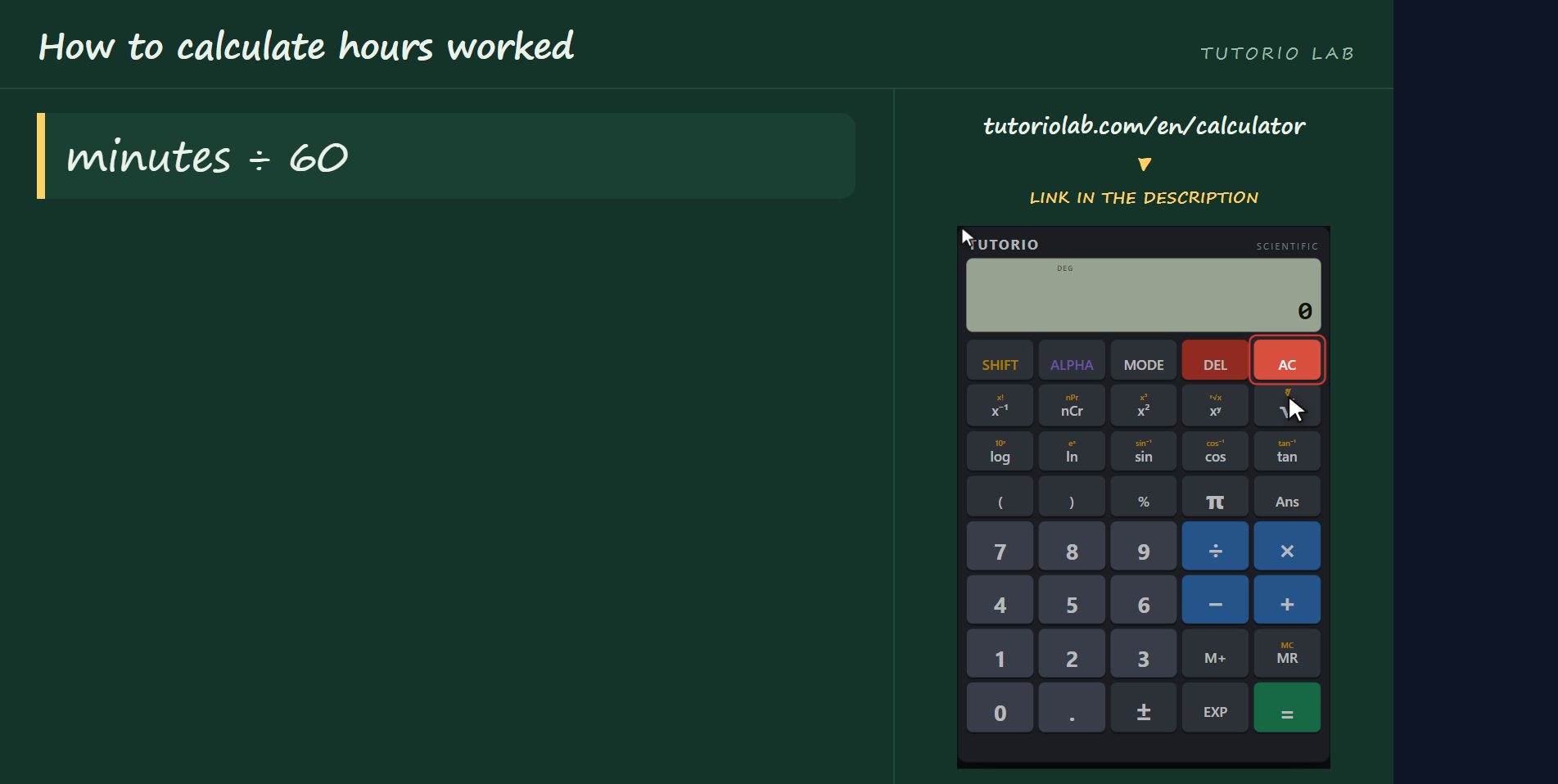
The conversion is one single sum: the minutes, divided by sixty. Forty-five over sixty gives nought point seven five. Thirty over sixty gives nought point five. Fifteen over sixty, nought point two five. And those three are the ones that come up nearly every time, so knowing them gets you most of the way.
One shift
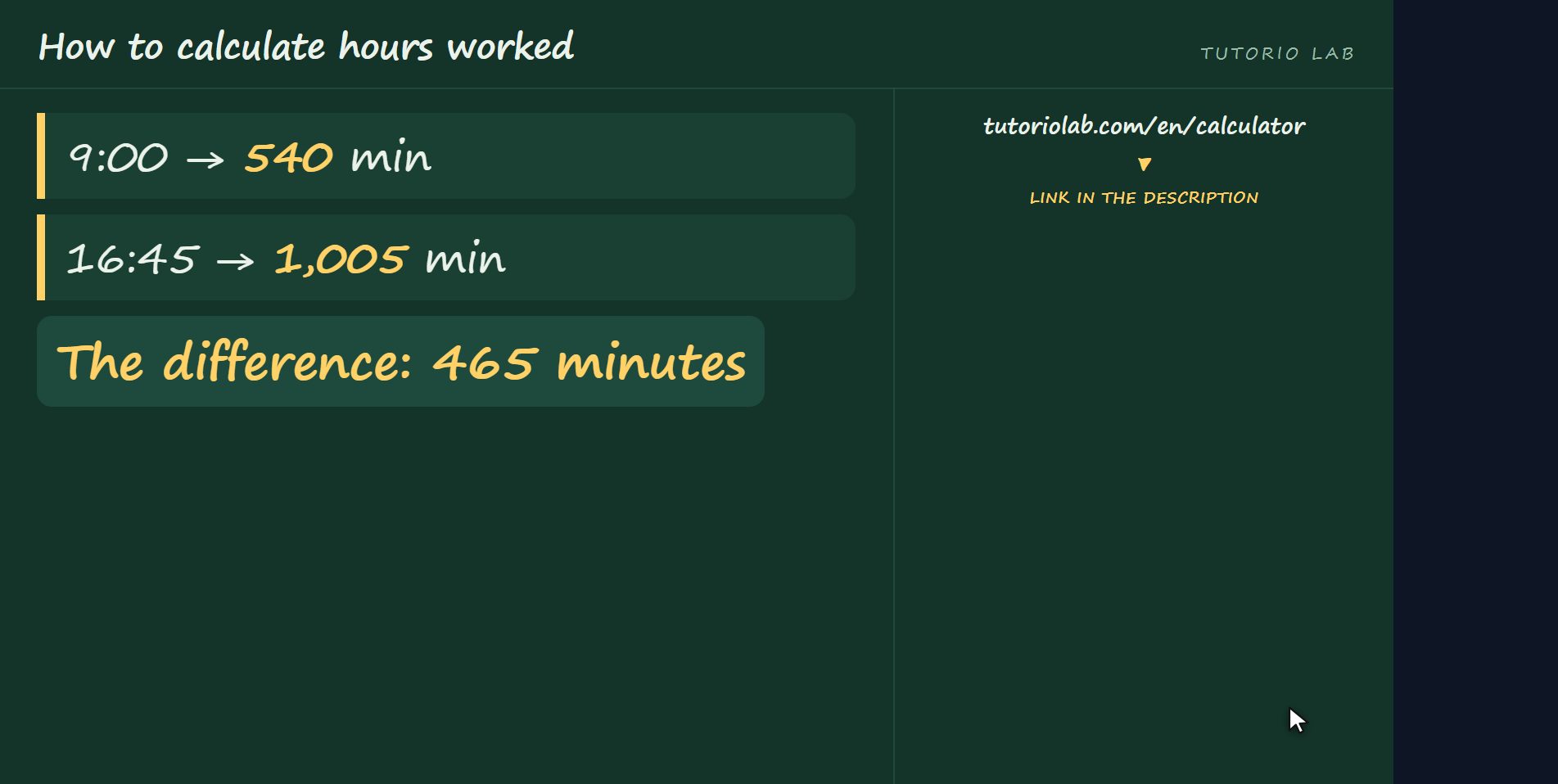
Now the whole shift. From nine to sixteen forty-five. The safest thing is to turn it all into minutes: nine o clock is five hundred and forty minutes, and sixteen forty-five is one thousand and five. The difference, four hundred and sixty-five minutes.
The whole week
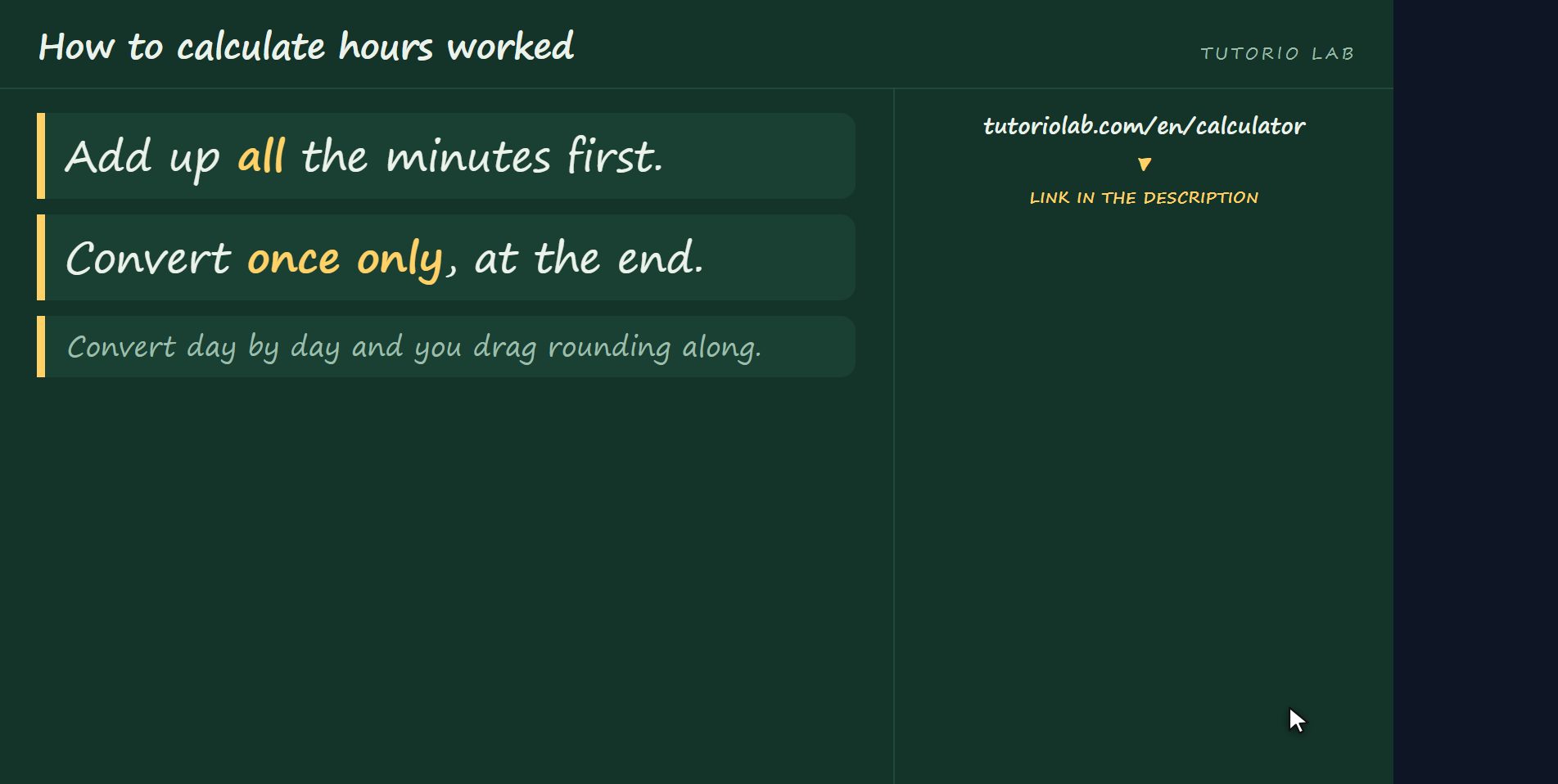
And now the trick that saves you every headache: add up the minutes for the whole week first, and convert them once at the very end. If you convert shift by shift you drag rounding along, and by the end of the week you are half an hour short with no idea where it went.
What you get paid
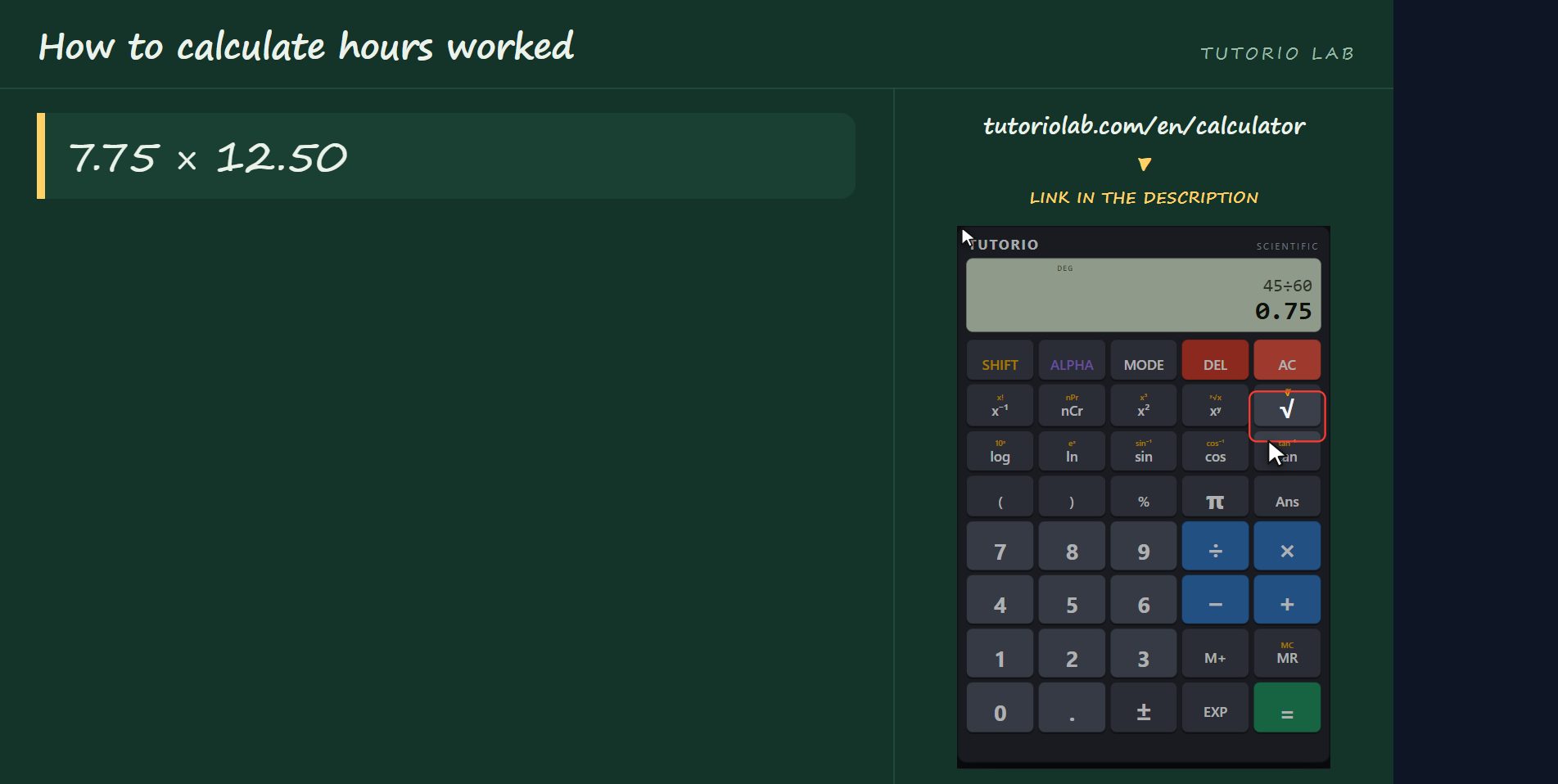
Four hundred and sixty-five minutes over sixty is seven point seven five hours. And that is what you multiply by your rate. At twelve fifty an hour: ninety-six dollars eighty-eight. If you had used seven forty-five you would have got ninety-three thirteen. Nearly four dollars less in a single day.
What I am not telling you
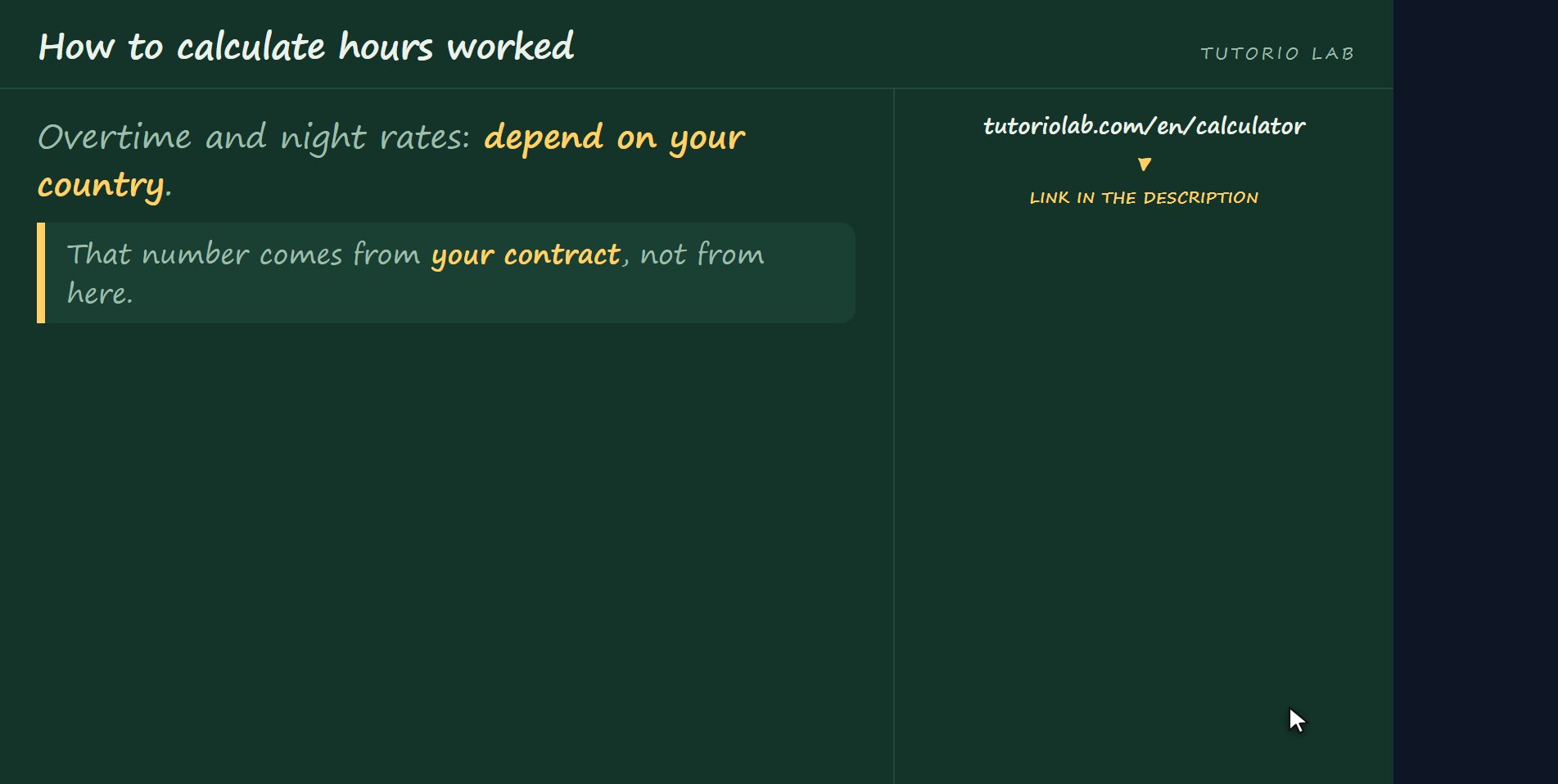
And there is something I am deliberately not going to tell you. Overtime rates and night rates depend on the law where you live and on your contract, and this is being watched by people in twenty different countries. Making up a percentage would be doing you a disservice. Add your hours up properly, convert them properly, and look the rate up in your contract.
The website does it for you
And so you do not have to do it by hand every week, we have made one. At tutoriolab.com, slash e-n, slash work hours calculator, you put in the start and end times exactly as the clock shows them, add your hourly rate if you want, and it gives you the total, the decimal hours and what you are owed. Free, no sign-up, and it downloads as a PDF so you can show it to whoever needs to see it.
Keep hold of this: the clock counts in sixties; to go decimal, minutes over sixty; and add up first, convert at the end. The links are in the description. If this helped, do subscribe.
Common questions
Why is 7:45 not 7.45 hours?
Because the clock counts in sixties and decimals count in hundreds. 45 minutes is 45 ÷ 60 = 0.75 of an hour, so 7:45 is 7.75 hours. Using 7.45 leaves you short on every shift.
How do I turn minutes into decimal hours?
Divide the minutes by 60. 15 minutes is 0.25, 30 minutes is 0.5, 45 minutes is 0.75. Those three cover most shifts.
Should I convert each day or at the end of the week?
At the end. Add up all the minutes for the week and convert once. Converting day by day drags rounding along and you end up short without knowing why.
What about a shift that runs past midnight?
Split it in two: from the start time to 24:00, and from 00:00 to the end time. That way each part has its end after its start.
How much is an overtime hour worth?
That depends on the law where you live and on your contract, so we cannot give you a number: look it up in your contract. What you can do here is add up and convert your hours correctly.